
Overview
This workshop, NeuRo-SymBolic World Models (RoBoWoMo), focuses on the intersection between neural and symbolic world models for robot learning, planning, and reasoning. These two predominant world models types exist largely within isolated communities that hold differing definitions of what constitutes a “world model.” We aim to bring together researchers across neural, symbolic, and hybrid backgrounds to clarify terminology, align assumptions, and identify shared challenges. Ideally, this will elicit methods that address their respective limitations, such as data inefficiency of neural methods and the demanding domain engineering of symbolic methods. Hybrid methods may improve generalization, interpretability, and long-horizon reasoning to help tackle complex domains, where structured task knowledge and state prediction are critical.
Objectives
The following questions outline the workshop’s core objectives and provide a thematic framework for potential contributors. While comprehensive solutions are encouraged, these primarily define the scope and hopefully inspire research directions.
Neuro-Symbolic Unification
- How can neural and symbolic perspectives be formally related or unified into world models for robotics?
- What are the benefits and drawbacks of combining neural and symbolic models? Is there a principled way to do so?
- How can neural world model architectures be integrated with symbolic priors and planning tools for improved, long-horizon reasoning, data-efficiency, and generalization?
- How can symbolic world models be enhanced by high-dimensional latent world models for symbol and predicate extraction and improved interpretability of latent embeddings?
- How can symbolic planners be used for data collection to train neural world models for trajectory generation, data collection, and safe exploration?
Application Concerns
- How does the task application dictate the type of world model used?
- How do we differentiate between classes of tasks for world models? How do we transition world models from simple tasks to complex tasks, such as those present in manufacturing domains?
- What hybrid architectures (e.g., latent dynamics + symbolic constraint module, neuro-symbolic graph networks, neuro-symbolic program induction) are most effective across robotics tasks, especially those requiring high precision?
Benchmarking and Evaluation
- How do world models differ in terms of their horizon limit and coarseness level?
- What benchmarks and metrics define a ‘sufficient’ world model, and how can we rigorously evaluate hybrid architectures across the axes of modeling fidelity, diverse task success, and deployment readiness?
Spotlight and Award Papers
(1st) Bilevel Planning with Learned Symbolic Abstractions from Interaction Data
(2nd) μ0: A Scalable 3D Interaction-Trace World Model
(3rd) Bridging Learned Visual Perception and Symbolic Belief-Space Planning via Probabilistic Grounding
(4th) CLAP: Cross-Embodiment Video World Models are Zero-Shot Physical Simulators
GlanceWAM: Sparse Test-Time Imagination for World-Action Models
Speakers
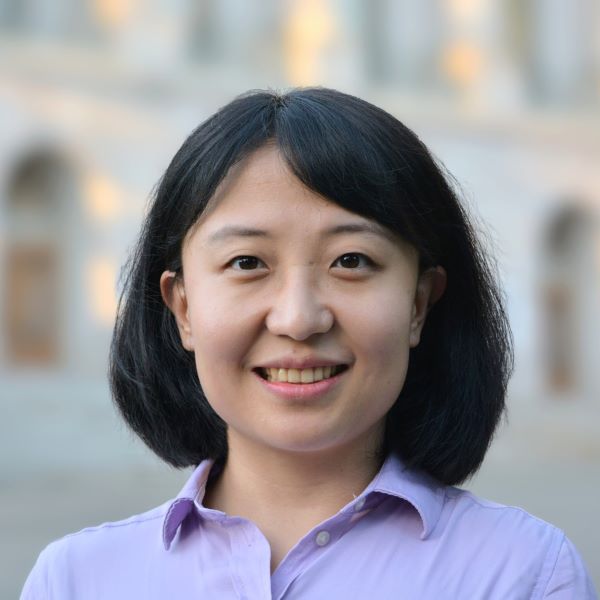
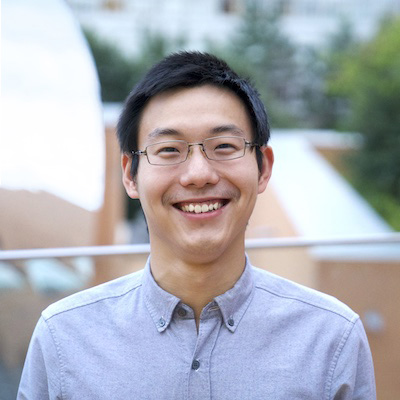


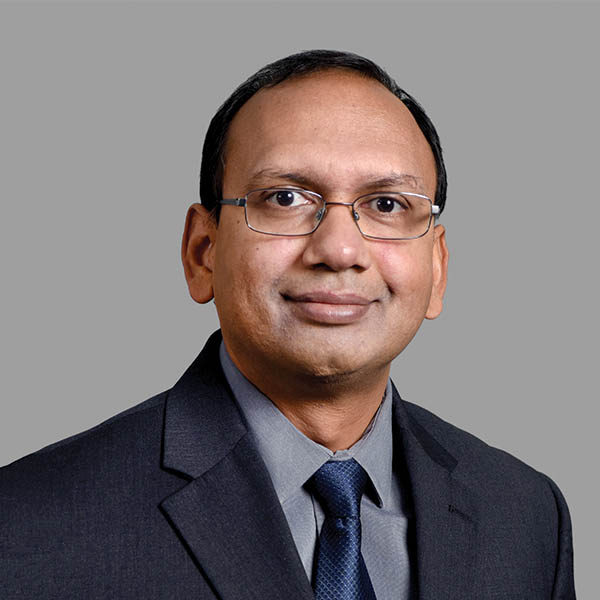
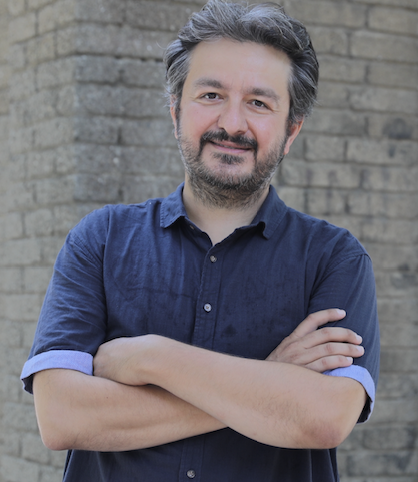
Schedule
Opening Remarks
What is a World Model for Robotics?
Tom Silver, Siddharth Srivastava, Sherry Yang
Evaluating and Improving Physical Agents in a World Model
Sherry Yang · New York University, Google DeepMind
1st Lightning Talks Session
Watch recording
View detailed schedule
1st Poster Session and Coffee Break
Building Physical Agents via Structured Representations
Jiajun Wu · Stanford University
Watch recordingTowards Robots that Generate Micro-World Models on Demand
Tom Silver and Yixuan Huang · Princeton University
Learning Relational World Models for Robot Planning
Siddharth Srivastava · Arizona State University
Lunch (On Your Own)
Emergence of Action and Object Symbols and Symbolic Rules in Robotics
Emre Ugur · Bogazici University
Watch recordingSpotlight Talks
Watch recordingView detailed schedule
2nd Lightning Talks Session
Watch recordingView detailed schedule
2nd Poster Session and Coffee Break
Integrating Neural and Symbolic Architectures for Robot World Models
Sungjin Ahn, Yilun Du, Emre Ugur
Closing Remarks and Best Paper Award Announcement
Organizers




*Equal contribution
Advisory Board


Sponsor